
One Tuesday afternoon, staring at a blank row in my tracking sheet while the Dallas sun baked the driveway, I realized I couldn’t remember why I’d opened the file. The numbers weren’t adding up because I wasn’t 'there' enough to add them. It’s a terrifying feeling for a man who spent thirty years ensuring every decimal point in a corporate ledger was exactly where it belonged.
Before we dive into the data, you should know that I use affiliate links on this site. If you decide to pick something up through one of these links, I earn a commission at no extra cost to you. Everything I mention here is something I have personally put through the ringer in my own spreadsheets—because after three decades of auditing, I don't take any manufacturer’s word for granted. I am not a doctor or a health professional; I’m just a guy who likes his columns to balance and his brain to function. Always talk to your own doctor before you start messing with your chemistry.
The Cognitive Balance Sheet: Why I Started Tracking
I took early retirement at fifty-four, well before the standard retirement age of 67 for my Social Security bracket. I told my wife it was to enjoy the house, but the truth was my mental sharpness—the primary asset of my career—was showing a significant deficit. I was forgetting client names mid-sentence. My 'Brain Health' workbook now has more tabs than our tax returns ever did, and my wife jokes that I’ve replaced a corporate career with a full-time job auditing my own gray matter.
My tracking began in late January. I set up a system in Excel—which, as any enthusiast knows, has a limit of 1,048,576 rows, though I hope my cognitive decline doesn’t require that many entries. I was tracking everything: sleep quality, caffeine intake, and of course, a rotating list of supplements. I wanted to see the ROI on every capsule I swallowed.
The Mid-Afternoon Cliff: A Pattern Emerges
By early spring, a clear trend line had emerged in my data. My morning cognitive scores were consistently high—I was sharp, focused, and clearing through my 'To-Do' list with the efficiency of a junior partner during tax season. But every day, right after lunch, a sharp 'cliff' appeared in my metrics. It didn't matter if I had a salad or a sandwich; my focus would plummet like a bad stock on earnings day.
I spent three weeks tracking a new supplement during this period, only to realize I’d been miscoding the 'Recall' column with the 'Focus' column in my spreadsheet, rendering twenty-one days of data essentially useless. It was a classic accounting error, and a sign that my afternoon brain was even worse than I thought. I was logging 'Focus' when I meant to track my ability to remember where I left my glasses. It felt like my prefrontal cortex—the CEO of the brain—was clocking out early every single day.
The human brain consumes about 20 percent of the body’s total energy, and mine seemed to be blowing its entire budget by 1 PM. I tried NeuroPrime to see if a premium capsule could bridge the gap, and while it helped my morning peaks reach new heights, the afternoon slump remained a stubborn line item I couldn't erase.
The Circadian Audit: A Lesson from Night-Shift Nurses
During my deep dive into the 'why' behind this slump, I stumbled upon an interesting anomaly regarding night-shift nurses. Most brain health advice is written for the 9-to-5 crowd—take your supplements with breakfast, they say. But for a nurse starting a shift at 7 PM, that 'morning' protocol is a disaster. Their circadian rhythms are inverted, and forcing a standard dosing cycle actually creates more brain fog.
This made me realize that my afternoon fade wasn't necessarily a lack of nutrients, but a timing mismatch. I was trying to treat a rhythmic problem with a static solution. Sometimes the best way to fix a ledger isn't to add more capital, but to change when you're deploying it. I started looking for something that didn't rely on digestion times or metabolic windows—something that could 'reset' the frequency of my brain in real-time. This is where I started looking into Does The Brain Song Help Clear Brain Fog After Retirement? as a potential solution.
The Pivot to Frequency: Testing The Brain Song
By the time those first triple-digit Dallas days arrived, I decided to pivot. I’d been testing traditional capsules like The Genius Song, but the heat and the humidity seemed to make my afternoon lethargy even heavier. I decided to audit an audio-based approach called The Brain Song specifically during that post-lunch window.
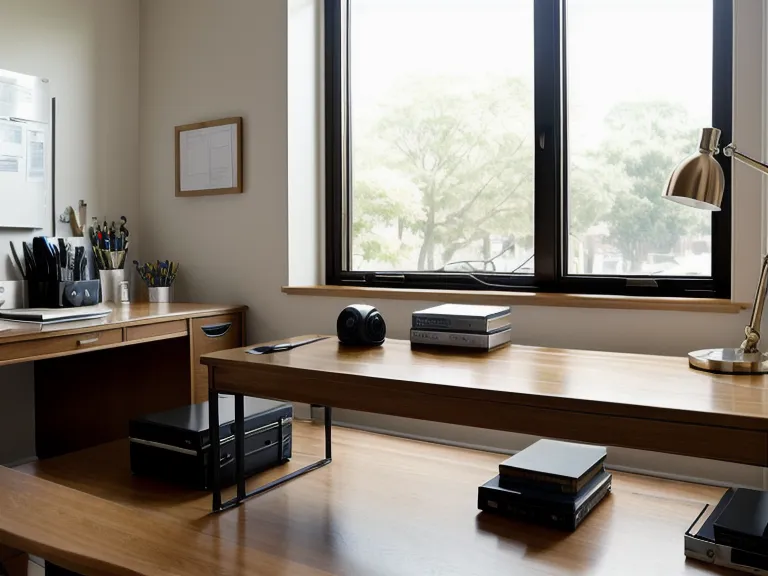
I remember sitting in my home office, the low hum of the central air conditioning struggling against the Texas sun, and the cold condensation ring my iced tea left on a stack of printed spreadsheets. I put on my headphones and started the track. About ten minutes into the frequency session, I felt a subtle, rhythmic pulsing behind my temples. It wasn't painful—it was more like the sensation of a motor finally catching after a few cold starts. The heavy afternoon fog that usually settled over my eyes started to lift.
I tracked this for about six months. Unlike the pills, which had a lag time that I had to account for in my 'Input' column, the audio frequency felt like an immediate adjustment to the books. It was the cognitive equivalent of a mid-year budget correction that actually works. You can read more about how this compares to other options in my entry on NeuroPrime vs Brain Song for Better Name Recall and Memory.
The Final Tally: ROI on My Mental Clarity
Now that I’m about seven months into this specific experiment, the spreadsheet finally shows a stabilized afternoon curve. I’m no longer staring at blank rows in my tracking sheet wondering what I was doing. My 'Recall' scores—now properly coded—have stayed consistent from 8 AM to 5 PM.
The biggest takeaway from my 14 months of testing is that brain health isn't a 'set it and forget it' investment. It’s an active portfolio that needs regular auditing. If you’re struggling with that mid-afternoon fade, don't just throw more caffeine at it. Check your timing. Consider that your brain might need a change in frequency rather than just another capsule. I’ve found that The Brain Song has become the most reliable 'asset' in my afternoon toolkit, providing a much better return on my time than the extra cup of coffee ever did.
If you're curious about how I've broken down the costs of all these different approaches, you might want to look at My Spreadsheet’s Verdict on Brain Health: A Retired Accountant’s Monthly Breakdown. Just remember, I’m just a guy with a spreadsheet. If your memory issues are making you feel like your books are permanently cooked, please go see a professional. There's no spreadsheet in the world that replaces a good doctor's visit.
For those of you ready to try a different approach to that afternoon slump, I've found that shifting away from traditional supplements and toward frequency-based tools made the biggest difference in my daily data. You can check out the same program I use here: The Brain Song. It might just be the mid-afternoon audit your brain needs.