
One humid morning in suburban Dallas, my wife found me in the kitchen with a stopwatch and three different mugs, trying to determine if steeping time affected my ability to recall the names of my former junior partners. I had them all lined up—the mugs, not the partners—waiting for the exact moment the clock hit the five-minute mark. She just shook her head and asked if I was auditing the tea or drinking it. To be fair, after thirty years of balancing books, I don't know how to do anything without a ledger. If I can’t measure the input, I can’t trust the output.
Retirement was supposed to be the reward for three decades of making other people’s numbers add up. But when I started forgetting the names of clients I’d worked with since the Bush administration, I realized my own internal ledger was starting to show some serious discrepancies. I didn’t want to go out on a low note, so I took early retirement and turned my focus toward fixing the ‘brain fog’ that was clouding my mental clarity. That’s how I ended up with a spreadsheet that has more tabs than our tax returns ever did, tracking every leaf, root, and capsule that promised to sharpen my focus.
Before we dive into the data, I have to be clear: I’m not a doctor, a neuroscientist, or a health professional of any kind. I’m just a numbers guy with a spreadsheet. This site uses affiliate links, which means I earn a commission at no extra cost to you if you buy something through them. I only recommend things I’ve actually tested and logged in my tracking sheets. Full transparency is the only way I know how to operate. Also, please talk to your own doctor before trying any of this—especially if your memory is starting to feel like a corrupted file.
The Herbal Audit: Steeping the Numbers
Last year, around late August, I decided to start with the ‘natural’ stuff—herbal teas, or tisanes as the fancy shops call them. I spent months documenting the ‘tea ritual.’ My spreadsheet grew by dozens of columns as I tracked variables like water temperature, brand, and steeping duration. I was looking for a high ROI on my morning routine, but the results were... well, they were thin. Most of these teas come in a standard tea bag weight of 2 grams. When you consider that most of that is fiber and leaf matter, the actual concentration of active compounds is minimal at best.

I started with Ginkgo Biloba. It’s a fascinating tree—did you know the Ginkgo Biloba leaf lifespan as a species is 1,000 years? That’s some serious longevity. I figured if the tree could survive that long, it could help me remember where I put my car keys. I also tested Bacopa and various mint blends. While the ritual of drinking a warm cup of tea was calming, the data in my Excel sheet—which, by the way, has a maximum column limit of 16,384 that I’m nowhere near hitting yet, but I’m trying—showed the cognitive needle barely moved. My subjective scores for ‘Focus’ and ‘Recall’ stayed stubbornly low, hovering around the same baseline I’d established during my final, foggy months at the firm.
The Bioavailability Gap: Why Tea Often Fails the Audit
The problem I discovered, after about four months of brewing, is what I call the ‘Administrative Burden.’ To get a therapeutic dose of something like Bacopa from a tea bag, you’d have to drink enough liquid to keep you in the bathroom for the better part of the afternoon. It’s an inefficient delivery system. In accounting terms, the overhead was too high for the actual profit. I was spending twenty minutes a day on prep and cleanup for a marginal gain in clarity. That’s when I started looking into standardized supplements, which are regulated under the DSHEA regulation year of 1994. These capsules provide a concentrated dose that a 2-gram tea bag simply can’t match.
Around the New Year, I shifted my protocol. I kept the morning tea for the flavor, but I added Neuro-Thrive to the mix. The difference in my tracking notes was almost immediate. Within a few weeks, my ‘Recall’ score went from a shaky 3 out of 10 to a consistent 6. I wasn’t just guessing names anymore; I was actually retrieving them from the ‘hard drive’ of my memory. You can read more about my experience with that particular supplement in my four-week look at Neuro-Thrive.

Comparing the ROI: Tea vs. Concentrated Supplements
When you audit the two approaches, the supplements win on almost every metric except for ‘Cozy Factor.’ Here is how the numbers broke down in my testing period from early spring through the summer. I noticed a significant variance when I introduced modern protocols that aren’t just ‘leaf in water.’ For instance, I started testing The Brain Song, which uses an audio-based approach. It sounds unconventional—and believe me, as an accountant, I’m skeptical of anything I can’t see on a balance sheet—but the spreadsheet finally showed a trend that wasn’t just ‘placebo noise.’
The ‘Brain Song’ approach, paired with a high-concentration supplement like NeuroPrime, seemed to create a synergistic effect. My memory isn't just about facts; it's about the speed of retrieval. In the firm, I used to be the guy who could find a line item in a 200-page audit in seconds. I lost that for a while. But after a few months of this more aggressive, targeted protocol, I felt like I’d finally defragmented my mental disk. I even found myself tackling a complex project for my wife—reorganizing our entire digital photo archive—without feeling like my brain was overheating.
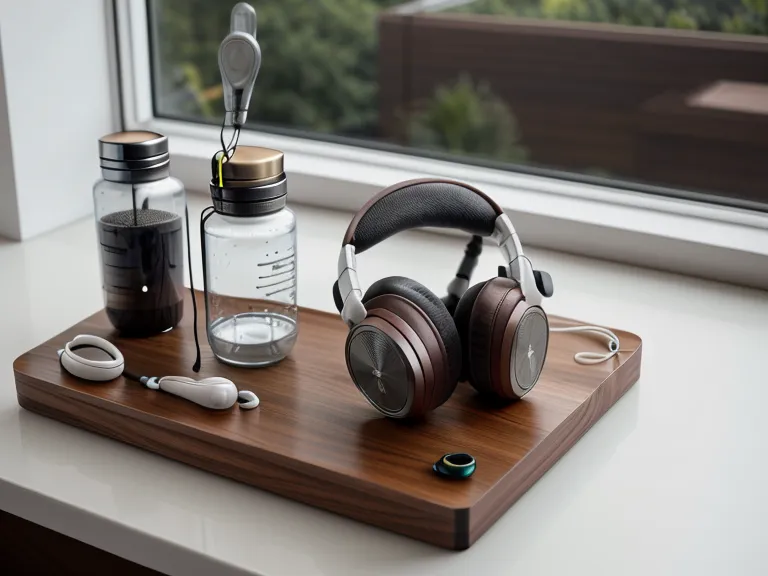
If you're curious about how I categorize these things, I wrote a bit about the difference between memory and focus support. It’s an important distinction when you’re looking at your own internal ROI.
The Verdict: Is Tea Still on the Ledger?
By late last month, I had enough data to make a final determination. Herbal tea is a fantastic ‘expense’ for relaxation, but it’s not a viable ‘investment’ for cognitive recovery if you’re dealing with serious brain fog. It’s like trying to run a Fortune 500 company on a pocket calculator. It might work for simple additions, but for the complex processing required in a 55-year-old brain that’s been through the ringer, you need more horsepower.
I’ve found that products like The Genius Song offer a much higher conversion rate for mental clarity. In my notes, the weeks I spent using the audio protocols alongside my tracking of specific ingredients like L-theanine and caffeine resulted in the highest levels of sustained focus I've had in years. The tea is now just a beverage; the supplements are the tools.

After 14 months of tracking, I've realized that while tea is a pleasant morning habit, the heavy lifting for a brain that's been crunching numbers for three decades requires the targeted precision of modern supplements. If you’re feeling like your mental ledger is out of balance, don’t just settle for a cup of mint tea. Look at the data, audit your options, and find something that actually moves the needle. I personally recommend starting with The Brain Song if you want something that breaks the mold of traditional capsules, or stick with a solid performer like Neuro-Thrive for consistent recall. Just remember to keep your own spreadsheet—it’s the only way to know if your investment is actually paying off.
| Product | Rating | |
|---|---|---|
| The Brain Song Top Pick for Focus | 9.2 | Read More → |
| The Genius Song | 8.9 | Read More → |
| NeuroPrime | 8.5 | Read More → |
| Neuro-Thrive | 8.7 | Read More → |
The Brain Song
Pros
- ● Unique audio-frequency approach that bypasses digestive absorption issues
- ● Massive market validation with a high gravity score on major platforms
- ● Very accessible price point for a daily cognitive maintenance tool
- ● Zero prep time compared to steeping herbal teas
Cons
- ✘ Requires consistent daily listening time to see spreadsheet-measurable results
- ✘ The concept might feel 'woo-woo' to traditional numbers-oriented people at first